Quick answer: How long do golf cart batteries last? Lithium maker RoyPow says lead-acid lasts 2-5 years in public carts and 6-10 years in private carts. Its LiFePO4 pack lists a 10-year design life and 4,000+ cycles. Use, charging, heat and maintenance can change those numbers.
How long do golf cart batteries last?
RoyPow, a lithium battery maker, puts lead-acid golf cart batteries at 2-5 years in publicly used carts and 6-10 years in privately owned carts. Its S5156 LiFePO4 pack has a 10-year design life and more than 4,000 rated cycles.
The range is wide because use, charging, heat and maintenance matter as much as chemistry. Two identical packs can reach very different ages in different carts.
Treat 6-10 years as a best case for lightly used, well-kept private carts. That figure also comes from a company selling the competing chemistry, so it is a useful estimate rather than independent test data.
| Battery type | Source’s stated life or cycle rating | Watering needed? |
|---|---|---|
| Flooded lead-acid | RoyPow’s lead-acid estimate: 2-5 years in public carts, 6-10 years in private carts | Yes |
| AGM | Trojan’s T-105 AES claim: 1,200 cycles at 100% depth of discharge, versus 400 for standard AGM | No |
| Lithium (LiFePO4) | RoyPow S5156: 10-year design life, more than 4,000 cycles | No |
How do lead-acid, AGM and lithium lifespans compare?
Lithium has the longest rated life of the three, but each number below comes from a manufacturer and applies under that maker’s conditions. This section covers lifespan only. For cost and buying advice, see our lithium vs lead-acid golf cart battery comparison.
Flooded lead-acid
Flooded lead-acid batteries commonly last 2-5 years in public use and up to 6-10 years in private use, by RoyPow’s estimate. They need regular watering, and how deeply you drain them has a strong effect on life.
Trojan says its batteries can be cycled to 80% of rated capacity but recommends a 20-50% discharge for the best life and performance.
AGM
AGM batteries are lead-acid batteries that do not need watering. Trojan says its T-105 AES is validated at 1,200 cycles at 100% depth of discharge, versus 400 cycles for standard AGM.
That is a manufacturer claim for one product. Do not assume every AGM battery will match it.
Lithium (LiFePO4)
Plan on about 10 years for a lithium golf cart battery. RoyPow’s S5156 spec page lists a 10-year design life and more than 4,000 cycles, with no watering or corrosion cleaning.
RoyPow’s blog also says lithium batteries can last 10 to 20 years, depending on usage and external factors. Treat 20 years as an upper-end vendor claim, not a typical result.
How do battery cycles translate into years?
A cycle is one discharge followed by one recharge. Golf cart batteries have no single cycle count, since ratings vary by model and depth of discharge. The examples here range from 1,200 to more than 4,000 cycles.
To estimate years, use this formula: rated cycles ÷ cycles per year = estimated years. The results below are arithmetic, not test data or a promise.
| Example rating | Rated cycles | One cycle per day (365 per year) | Three cycles per week (156 per year) |
|---|---|---|---|
| Trojan T-105 RE, 50% depth of discharge | 1,600 | About 4.4 years | About 10 years |
| Trojan T-105 AES, 100% depth of discharge | 1,200 | About 3.3 years | About 7.7 years |
| RoyPow S5156 | 4,000+ | About 11 years | More than 25 years |
The 1,600-cycle figure comes from Trojan’s T-105 RE brochure. The T-105 RE is a renewable-energy model, so this example only shows how the math works. It does not predict the life of a golf cart pack.
For lithium, three cycles per week works out to more than 25 years, far past the 10-year design life. Decision rule: with a lightly used lithium pack, age and design life are likely to matter before the cycle count does.
A cycle rating depends on depth of discharge. A rating at 50% does not apply to a battery you regularly run nearly flat. Before you do the math, check the depth of discharge behind the rating, and compare ratings only when they use the same depth.
What shortens golf cart battery life the most?
The main causes are deep discharges, poor charging habits, low water in flooded batteries, heat and hard driving. Most of these are within your control.
Depth of discharge
Depth of discharge is the share of a battery’s capacity you use before recharging. Trojan says its batteries can go to 80%, but it recommends staying at 20-50% for optimum life. Regularly running a lead-acid pack close to empty works against that goal.
Charging habits: Should you leave a golf cart plugged in all the time?
Not by default. Trojan warns that continuous charging accelerates positive plate corrosion in lead-acid batteries. Follow your charger maker’s instructions on whether it can stay connected once charging is complete.
Undercharging is also harmful. Trojan says running at partial charge or storing batteries discharged leads to sulfation and can cause premature failure.
Water level
Flooded batteries need enough water to keep the plates covered. Trojan warns of irreparable damage if the electrolyte falls below the plates. Overwatering is also a problem, so follow the steps in the lead-acid section below.
Heat and cold
Heat is a major threat to battery life. Trojan says operating at or slightly below 80°F optimizes performance and life, and that lead-acid battery temperature should not exceed 120°F during charging.
Exide recommends 50-86°F (10-30°C) for optimal operation, with a 122°F (50°C) maximum. It says lower temperatures limit capacity output, while higher temperatures may reduce life.
A common rule of thumb says lead-acid life falls by half for every 10°C of elevated temperature. This general figure comes from stationary batteries, so use it to understand the risk, not to calculate the life of a golf cart pack.
Driving style
RoyPow notes that carts driven at low speeds tend to outlast those driven at very high speeds. Hard use can shorten battery life even when charging and maintenance are good.
How can you make lead-acid batteries last longer?
Keep lead-acid batteries charged, avoid deep discharges and water them correctly. These steps cover the basics:
- Recharge before the next use. Do not return a partly discharged cart to service.
- Limit discharge when practical. Aim to use 20-50% of capacity between charges.
- Check the plates before charging. Trojan says to add water before charging only if plates are exposed.
- Top up after a full charge. Add water to the correct level once charging is complete.
- Never overwater. Stop at the level your battery maker specifies.
Equalize only when specific gravity is below the recommended value or cell readings differ by 30 points or more. Do not make it a routine step.
Trojan does not recommend desulfators or other external devices. Check the battery maker’s position before adding any device that claims to extend battery life. For readings and procedures, see our guide to testing golf cart batteries.
How do you make lithium golf cart batteries last longer?
Follow the pack’s temperature limits and charging instructions. A battery management system (BMS) is the pack’s built-in electronic control, and it protects against overcharging.
RoyPow lists the S5156 charge range as 32-131°F and its discharge range as -4 to 131°F. That means this pack can discharge in conditions where it should not be charged. Check the spec sheet for your own pack before charging in freezing weather.
Lithium needs no watering or corrosion cleaning, but it is not immune to its environment. Heat and freezing conditions still affect its life.
Specs and warranty terms vary by brand and region. RoyPow’s S5156 page lists a limited lifetime warranty for the US, Canada and Mexico, and 5 years elsewhere. Read the full terms, because a warranty length is not a lifespan promise.
How should you store a golf cart battery in the off-season?
For winter or any long break, store lead-acid batteries fully charged in a cool, dry place. Trojan says to keep them fully charged before and during storage. Never store them discharged.
Exide’s storage guidance adds more detail:
- Store batteries indoors at 50-77°F (10-25°C).
- Disconnect them from loads.
- Keep them away from heat, which speeds self-discharge.
- Maintain proper charge, since poor charge in storage risks excessive sulfation.
- Give them a boost charge every 6 months.
Exide’s 6-month interval is its own guidance. Follow your battery maker’s interval if it differs.
For lithium, follow the pack maker’s storage instructions, as requirements differ by product.
When should you replace golf cart batteries?
Consider replacement when performance keeps dropping or the battery is physically damaged. Age alone does not tell you the condition of the pack. Watch for these signs:
- Noticeably shorter range
- A cart that slows on hills
- A pack that will not hold a charge
- Physical damage or leaks
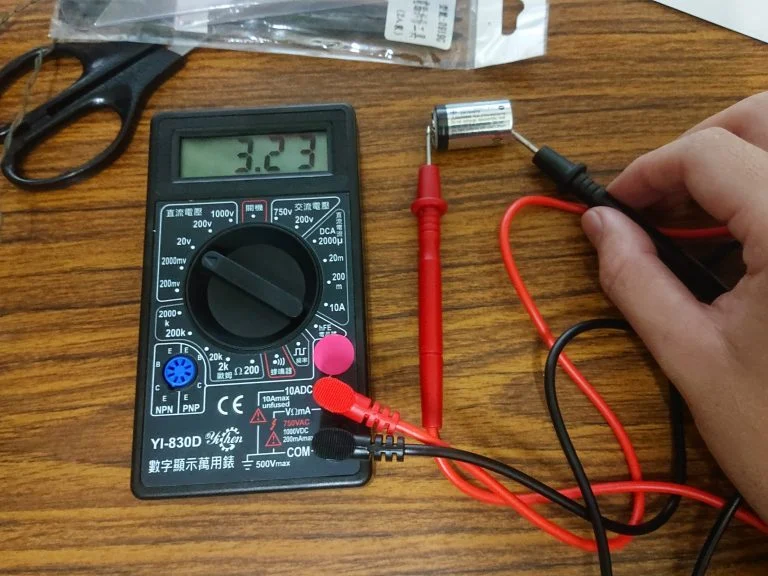
Test before you buy. Some of these symptoms can have other causes, so confirm the problem first. Our guide to testing golf cart batteries covers the readings to take, and our guide to reviving golf cart batteries explains recovery options.
Test every battery in a lead-acid pack before replacing only one. A failed battery may point to wider wear across the pack, so a single new battery may not solve the problem.
If testing shows the pack is finished, compare your options in our lithium vs lead-acid golf cart battery guide before deciding whether to replace it with the same type or upgrade.
Frequently Asked Questions About Golf Cart Battery Life
Do lithium golf cart batteries need watering?
No. RoyPow’s S5156 LiFePO4 pack needs no watering or corrosion cleaning, which removes routine maintenance that flooded lead-acid packs require. Lithium is not immune to its environment, though. Heat and freezing conditions still affect its life, so follow your pack’s temperature limits and charging instructions to protect it.
Do AGM golf cart batteries need water?
No. AGM batteries are lead-acid batteries that do not need watering. Their life ratings vary by product. Trojan says its T-105 AES is validated at 1,200 cycles at 100% depth of discharge, versus 400 cycles for standard AGM. That is a manufacturer claim for one product, so do not assume every AGM battery matches it.
Can you charge lithium golf cart batteries in freezing weather?
Check your pack’s spec sheet first, because some lithium packs should not be charged below freezing. RoyPow lists its S5156 charge range as 32-131°F and its discharge range as -4 to 131°F. That means this pack can discharge in conditions where it should not be charged. Requirements can differ by product.
Should you replace all golf cart batteries at once?
Not automatically, but test every battery in a lead-acid pack before replacing only one. A failed battery may point to wider wear across the pack, so a single new battery may not solve the problem. Symptoms like shorter range can also have other causes, so confirm the problem before you buy.
Does a longer warranty mean a golf cart battery will last longer?
Not necessarily, because a warranty length is not a lifespan promise. RoyPow’s S5156 page lists a limited lifetime warranty for the US, Canada and Mexico, and 5 years elsewhere, while the same pack has a 10-year design life. Terms vary by brand and region, so read the full warranty before buying.
Do desulfators make golf cart batteries last longer?
Do not count on it, since Trojan does not recommend desulfators or other external devices. Check your battery maker’s position before adding any device that claims to extend battery life. For lead-acid packs, the basics are recharging before the next use, limiting discharge to 20-50% of capacity and watering correctly.