
Quick answer: A golf cart charger not working is often a wall power, connection or battery problem rather than a failed charger. Before you replace it, check the outlet, plug and cable connections, battery water and battery voltage. Suspect the charger only after those checks pass.
Why is my golf cart charger not working?
The fault is usually in one of four places: wall power, connections, batteries or the charger. Work through these six checks in order, since the first ones are the quickest:
- Outlet: Confirm the outlet has power.
- Cord and cart receptacle: Look for damage, looseness or corrosion.
- Battery connections: Inspect every terminal and cable.
- Water level: Check each cell on flooded batteries.
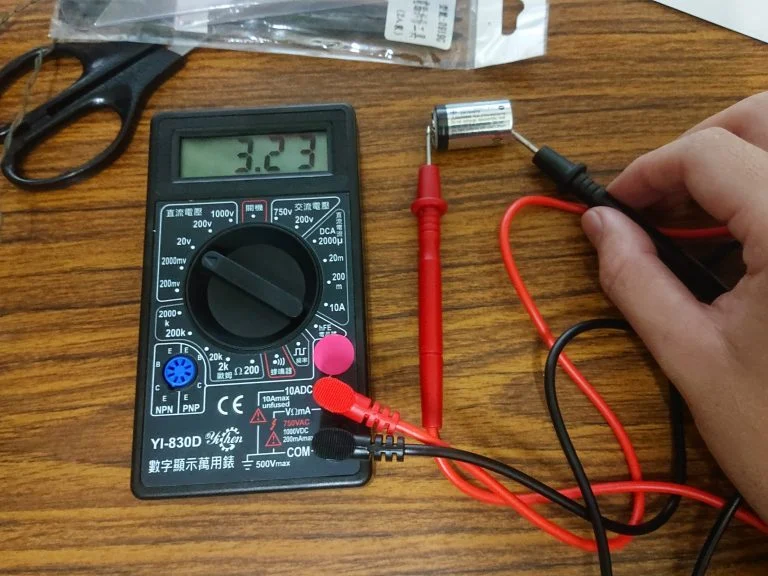
- Battery voltage: Measure each battery with a DC voltmeter.
- Charger lights or codes: Compare what you see with the charger manual.
Safety: Trojan advises wearing protective clothing, gloves and goggles around batteries and during charging. Unplug the charger before touching any connection.
Charger type matters. After these general checks, Club Car, EZGO, Yamaha and Delta-Q owners should go to the matching model guide for details on their charger.
What do the symptoms point to?
Use the symptom to decide where to start. This table shows likely areas, not a final diagnosis.
| Symptom | Most likely area | What to check first |
|---|---|---|
| No lights or sound | Wall power, cords or a very low pack | Outlet, breaker or GFCI, then the cords and plug |
| Charger starts, then stops | Connections, AC power, batteries or heat | Battery terminals, cart receptacle and power source |
| Fault light or code | Depends on the charger | The manual for your exact charger model |
| Charger runs, but the cart still has poor range | Batteries | Water level, then voltage across the pack after a full charge |
| Charger will not start on a very low pack | Pack below the charger’s starting voltage | Pack voltage and the manual’s low-battery instructions |
Light patterns and codes vary by brand and model. Look up the exact pattern in your charger manual instead of relying on a general chart.
Why is my golf cart charger not turning on?
Start with the simple causes: no wall power, a tripped breaker or GFCI, or a bad cord or plug. If those are fine, check the battery connections and pack voltage. Some chargers will not start if they cannot detect enough battery voltage.
Why does my golf cart charger click but not charge?
A click can mean the charger has power and tried to start, but the cycle did not continue. Check for a poor connection at the receptacle or battery terminals, then measure pack voltage. If the charger shows a code, use the manual to find out what stopped the cycle.
Why does my golf cart charger turn on and then shut off?
Common causes include loose connections, unstable AC power, weak batteries and overheating. It can also be normal if the pack is already full, so check the charger’s status light. Trojan says battery temperature during charging should not exceed 120°F. If it does, disconnect the battery and let it cool.
How do you check the outlet, cord and charging port?
Plug another working device into the outlet. If it does not run, check the breaker and reset the GFCI if there is one. If the outlet is fine, unplug the charger and inspect these parts:
- AC cord and wall plug
- DC cord and charging plug
- Cart receptacle and its visible wiring
Look for cuts, burn marks, melted plastic, loose pins and corrosion. Stop using any charger, cord or plug that shows heat or physical damage.
Unstable AC power can also cause errors. The Delta-Q IC650 manual calls for a stable source between 85 and 270 VAC at 45-65 Hz. It names undersized generators and severely undersized input cables as possible causes of AC errors. Those details apply to that charger, so check the requirements for yours.
Follow your charger manual on extension cords. It is the right source for whether you can use one and what size and length are allowed.
Could loose or corroded battery connections be the cause?
Yes. A poor connection anywhere in the pack can interrupt charging or cause a fault. With the charger unplugged, follow the cables from battery to battery. Check every terminal for looseness, corrosion, and frayed or damaged cable.
Take a clear photo of the wiring before you disconnect anything. Then use Trojan’s terminal care steps:
- Clean the battery top with baking soda and water.
- Rinse and dry it.
- Clean the terminals and clamps to a bright metallic shine.
- Reconnect the clamps.
- Apply a thin coat of anti-corrosive spray or silicone gel.
After any battery work, compare the wiring with your photo or the cart’s diagram. Reversed connections can trigger a polarity error on some chargers. The Delta-Q IC650 manual, for example, lists a reverse polarity error and says to check the battery connections.
How do you tell if the batteries are the real problem?
Test each battery by itself. A total pack reading can hide one weak battery. A DC voltmeter gives you the first clue, and a hydrometer can confirm a problem in flooded batteries.
How to test battery voltage
- Unplug the charger and disconnect or turn off any loads.
- Let the batteries rest with no charging or discharging for at least 6 hours, and preferably 24 hours.
- Set a voltmeter to DC and measure each battery at its terminals.
- Write down each reading and compare it with the table.
| State of charge | 6V battery | 8V battery | 12V battery |
|---|---|---|---|
| 100% | 6.37V | 8.49V | 12.73V |
| 50% | 6.02V | 8.07V | 12.10V |
| 10% | 5.75V | 7.67V | 11.51V |
These are Trojan’s open-circuit values. Trojan says batteries reading below its table values may have been left discharged too long or may have a bad cell. It says they should go to a specialist for evaluation or be retired from service.
To spot one weak battery, use Trojan’s FAQ test. Fully charge the batteries, disconnect charging sources and loads, rest them for about one hour, then measure each one. A spread above 0.15V on 6V batteries or 0.22V on 12V batteries indicates a problem. The battery that sits well below the others is the one to look at first. For 8V batteries, ask the battery maker for its limit.
How to confirm a weak flooded battery with a hydrometer
Trojan says voltage alone does not confirm a problem. On flooded batteries, use a hydrometer after a full charge and read every cell you can access. Compare the highest and lowest readings.
A spread greater than 0.030, or 30 points, confirms a problem. Trojan then advises an equalization charge and a retest. Equalize only if both the battery maker and your charger allow it.
How do I tell if the problem is the charger or the batteries?
Use this decision rule: low or uneven readings after a full charge point to the batteries, not the charger. If the charger never completes a cycle, or the pack voltage does not rise while it runs, look at the connections and then the charger.
Can a bad battery keep a golf cart from charging?
Yes. A weak or failed battery can hold the pack below the voltage a charger needs, cause a fault, or leave the cart with poor range after charging. Test each battery before you buy a charger.
Why won’t a charger start on a very low battery pack?
Batteries can be too dead for a charger to start. Some chargers need a minimum battery voltage before they begin, so a good charger can look dead on a badly discharged pack.
A Lester fault sheet for one charger series shows two examples:
- LOW DC: Battery voltage is too low to start charging (under 10V).
- MIN VOLTAGE: Minimum voltage was not reached within a specified time after the cycle started.
Thresholds differ by model, so do not apply these examples to every charger. Do not guess at a recovery method or bypass a charger’s safety features. Use the method in your charger manual, or have a golf cart shop recover the pack.
Prevention matters too. Trojan links sulfation to undercharging, including running batteries at partial charge or storing them discharged. Sulfation reduces performance and can cause premature failure.
Can low water stop flooded batteries from charging properly?
Low water can keep flooded batteries from working properly, so correct it before you judge the charger. This section applies only to flooded lead-acid batteries, not sealed AGM, gel or lithium packs.
Trojan’s guidance is to add water after a full charge. If the plates are exposed before charging, follow this order:
- Add only enough water to cover the plates.
- Fully charge the batteries.
- Top off to the correct level.
For standard deep-cycle batteries, Trojan says electrolyte should sit 1/8 inch below the bottom of the vent well. It should never drop below the top of the plates. Use distilled water, and never add acid.
How do you know the charger is bad?
Suspect the charger after you confirm all of the following: working wall power, sound cords and connections, and healthy batteries with enough voltage to start charging. If those checks pass and the charger still will not charge, the charger becomes the likely fault.
Some internal faults have a safe reset. For the Delta-Q IC650, the manual says to disconnect AC input and the battery for at least 30 seconds, then retry. If the fault returns, it says to contact the vehicle or machine manufacturer. Use this reset only if your charger’s manual calls for it.
How do I test a golf cart charger with a multimeter?
- Unplug the charger and measure total pack voltage at the pack’s main positive and negative terminals.
- Write down the reading and plug the charger into the cart.
- Once the charger is running, measure at the same two points. Keep your hands and tools clear of other terminals.
- Check whether the voltage has risen above the first reading.
- Compare the result with the output on the charger label or in the manual.
Many modern chargers do not send out voltage until they detect a battery. A zero reading at an unconnected charging plug does not prove the charger is bad. For fully charged numbers, see our guide to golf cart charger readings.
Beginners should not open the charger housing. Internal repairs involve electrical hazards and may go beyond the owner steps in the manual.
Should you repair the charger, replace it or call a technician?
Let the test results decide. Replace the charger only when the evidence points to it.
| What you found | Best next step |
|---|---|
| Simple cord or connection problem | Clean and secure the connection. Have damaged parts replaced with the correct ones. |
| Weak batteries | Have the batteries evaluated before you buy a charger. |
| Repeat internal fault | Contact the manufacturer or a service shop. |
| Burnt smell or visible damage | Stop using the charger and have it inspected or replaced. |
| Unclear diagnosis | Pay for a battery and charger diagnosis first. |
Buying a charger right away can save a shop visit, but only if the charger is really the problem. If the batteries are at fault, the new charger will not fix the cart. A diagnosis adds an upfront cost and may take longer, but it lowers the risk of replacing the wrong part.
Any replacement must match the cart’s voltage, plug and battery chemistry. Confirm all three before you buy.
Do not replace only part of an aged flooded battery bank without professional advice. Trojan sends batteries that fall below its voltage table to a specialist or out of service, so get the whole pack evaluated before you decide which batteries to change.
Frequently Asked Questions
Can I use an extension cord with a golf cart charger?
Only if your charger manual allows it. The manual is the right source for whether you can use one and what size and length are allowed. Unstable AC power can cause charger errors, and the Delta-Q IC650 manual names severely undersized input cables as one possible cause of AC errors.
Does a zero reading at the charging plug mean the charger is bad?
No. Many modern chargers do not send out voltage until they detect a battery, so a zero reading at an unconnected plug does not prove a failure. A better test is to measure pack voltage before charging, then again while the charger runs. The voltage should rise above the first reading.
How much voltage difference between golf cart batteries is too much?
Trojan says a spread above 0.15V on 6V batteries or 0.22V on 12V batteries indicates a problem. Measure after a full charge, with charging sources and loads disconnected and about one hour of rest. For 8V batteries, ask the battery maker for its limit.
Can I replace just one battery in a golf cart pack?
Do not replace only part of an aged flooded battery bank without professional advice. Get the whole pack evaluated before you decide which batteries to change. Trojan says batteries reading below its voltage table values should go to a specialist for evaluation or be retired from service.
What should a replacement golf cart charger match?
A replacement charger must match the cart’s voltage, plug and battery chemistry. Confirm all three before you buy. Also test the batteries and connections first, because a new charger will not fix the cart if the batteries are at fault.
What kind of water should I add to golf cart batteries?
Use distilled water, and never add acid. This applies only to flooded lead-acid batteries, not sealed AGM, gel or lithium packs. Trojan advises adding water after a full charge. If the plates are exposed before charging, add only enough water to cover them, then charge and top off.